


Highspeed cameras enable precise analysis of extremely fast movements directly inside the machine. As an industrial high speed camera, they achieve frame rates of up to 1000 frames per second (FPS) and offer robust industrial interfaces. This makes them a reliable foundation for production safety, quality inspection, and anomaly detection. The combination of high speed and high resolution is essential: movements are captured not only rapidly but also with exceptional detail — a requirement often addressed by a modern high frame rate camera for demanding inspection tasks.
Highspeed Camera

FILTER
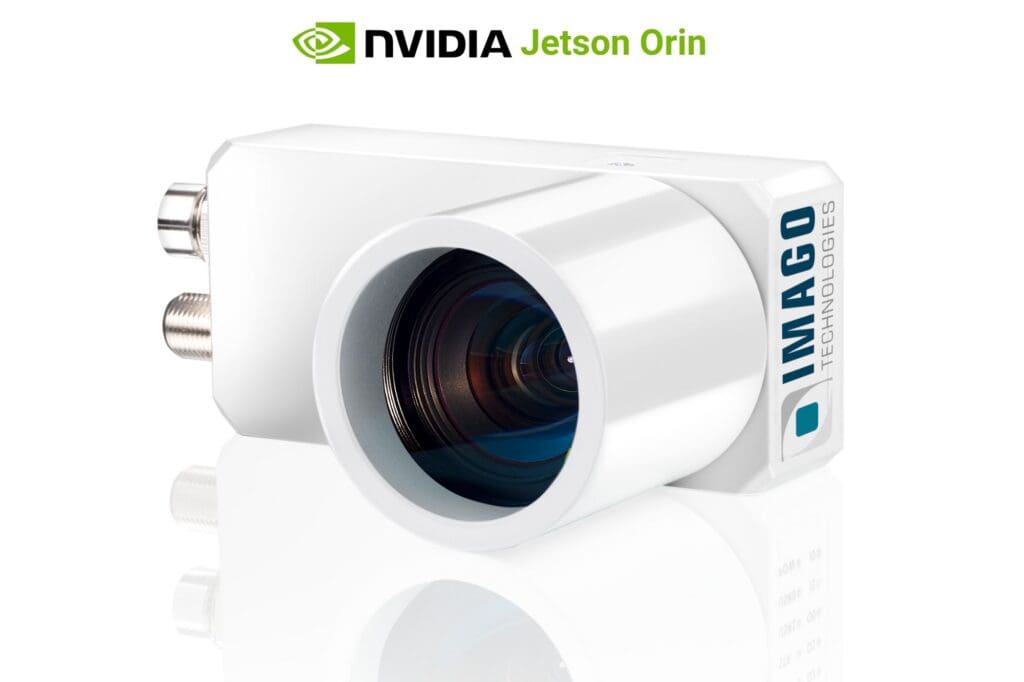
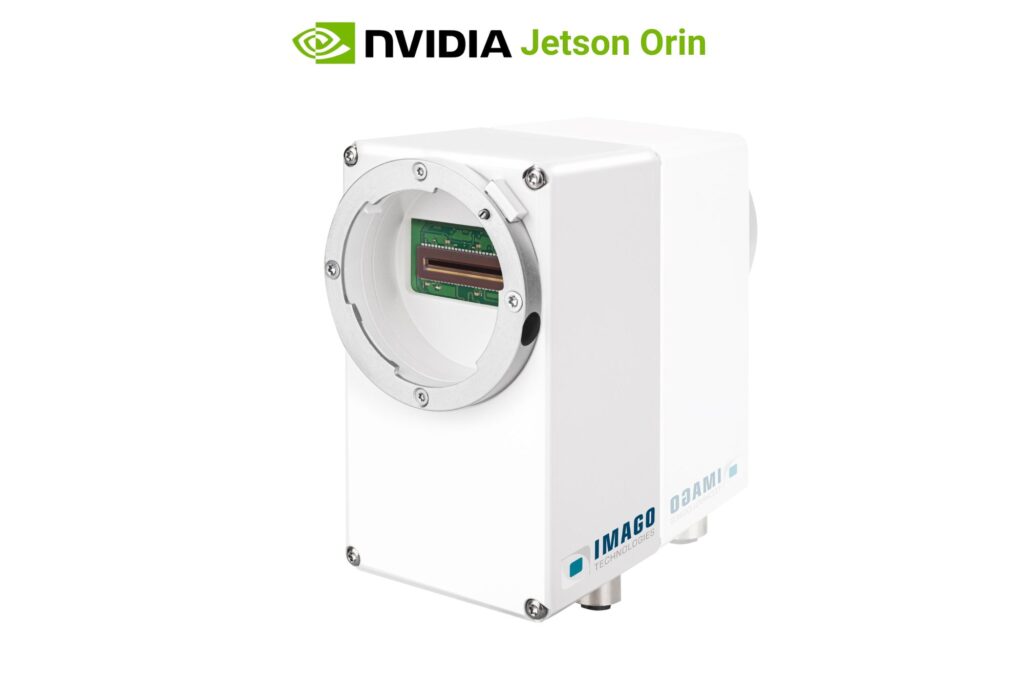
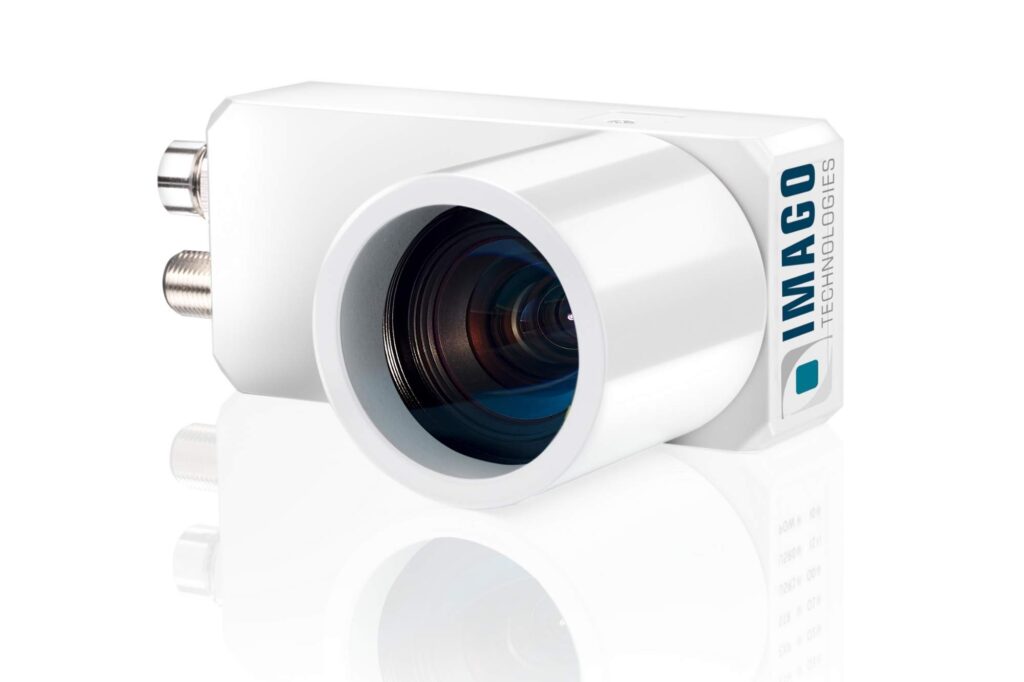
- High-speed video for condition monitoring
- 1,000+ frames per second
- for maintenance and fault analysis

Real-time image processing

up to 1000 FPS

industrial-grade integration

AI for anomalies
Variety & Technology of Highspeed Cameras
IMAGO highspeed cameras are available in various designs — area-scan or line-scan, optionally with integrated software. This variety enables the cameras to address a broad range of industrial applications, from discrete motion analysis to continuous production monitoring. Whether used as a fast camera for rapid inspection tasks or as part of a specialized ultra high speed cameras setup, each model balances frame rate and resolution to suit the exact requirements of the application.
The technology ranges from classical high-speed imaging to AI-supported camera systems that automatically detect anomalies in motion sequences. Optimized sensor designs, reduced readout times, and intelligent preprocessing enable stable high-speed sequences even at high resolutions. This provides both standardized and customized solutions for industrial applications — including tasks where speed and image detail are equally critical.
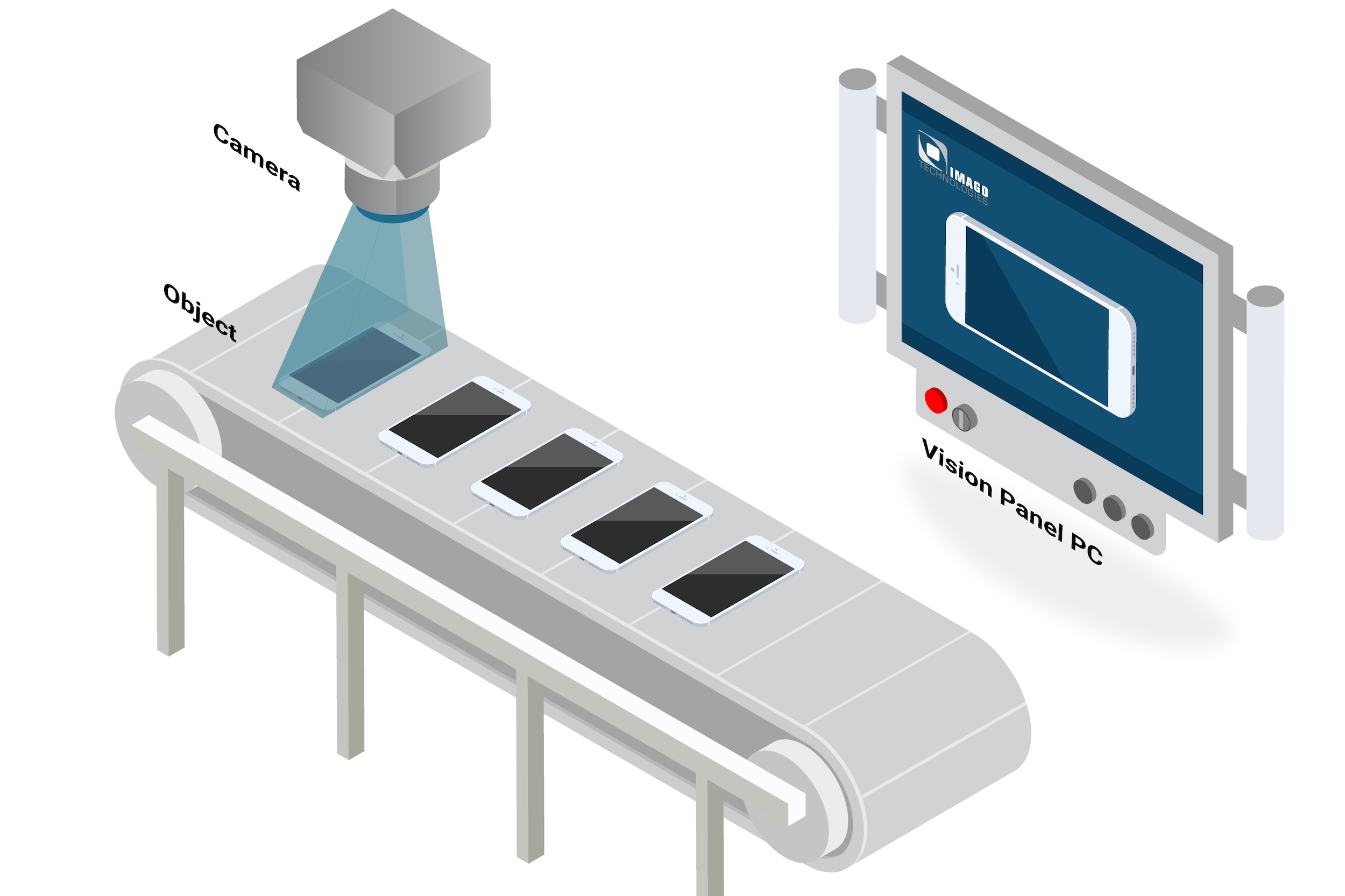
Focus on Real-Time Processing & Integration
A key advantage of IMAGO highspeed systems is real-time processing directly inside the camera. Even at maximum performance, an industrial high speed camera from IMAGO requires only a standard 1-Gbit connection, as no external PC must handle the data stream. This dramatically simplifies integration and reduces overall system load, particularly when using a high frame rate camera with large amounts of image data.
Industrial-grade interfaces ensure seamless integration into existing machinery. Immediate reaction to production events supports efficient process control — a key benefit in applications where rapid motion must be captured with consistently high image quality.
Industrial Applications – From Standard to Specialized
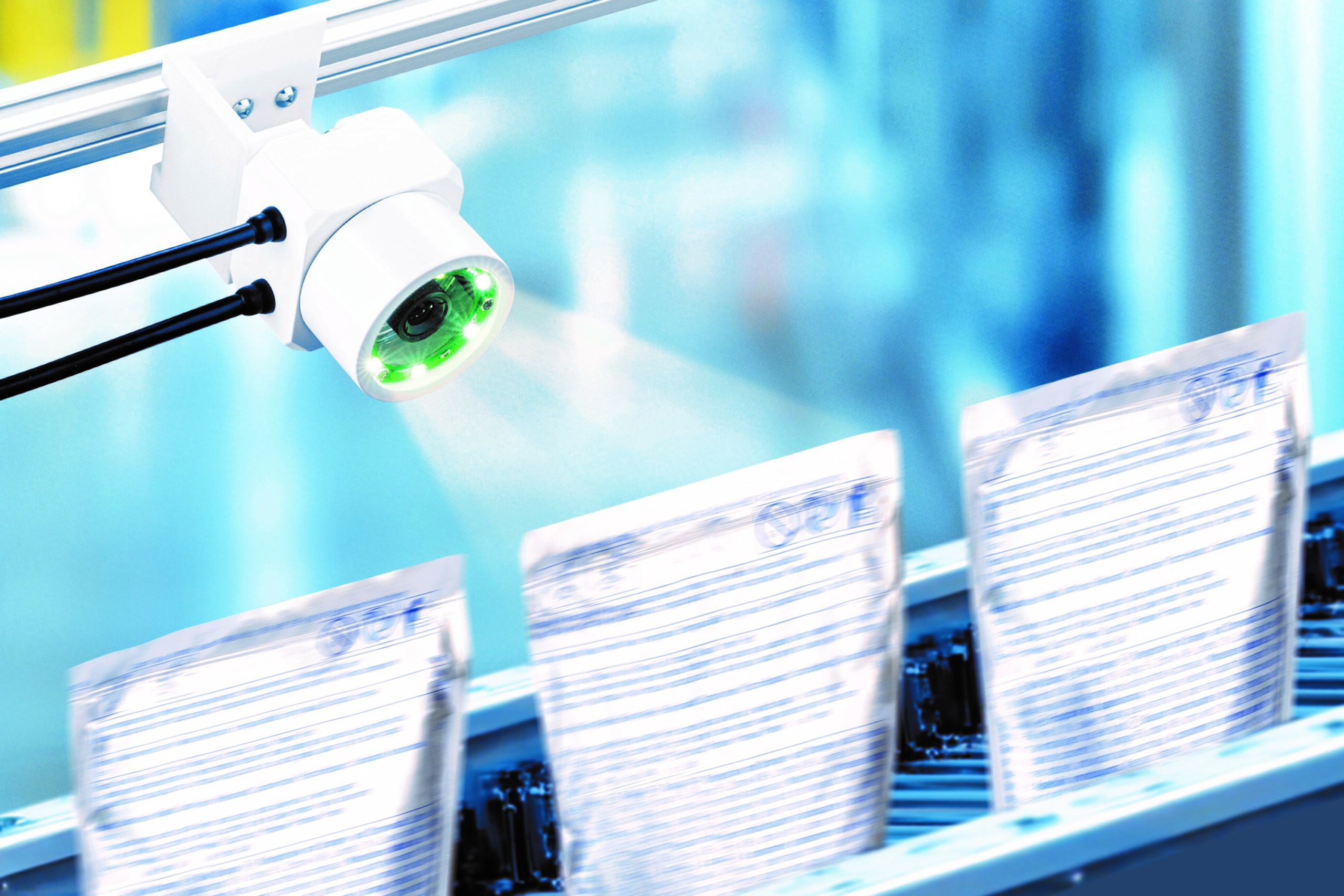
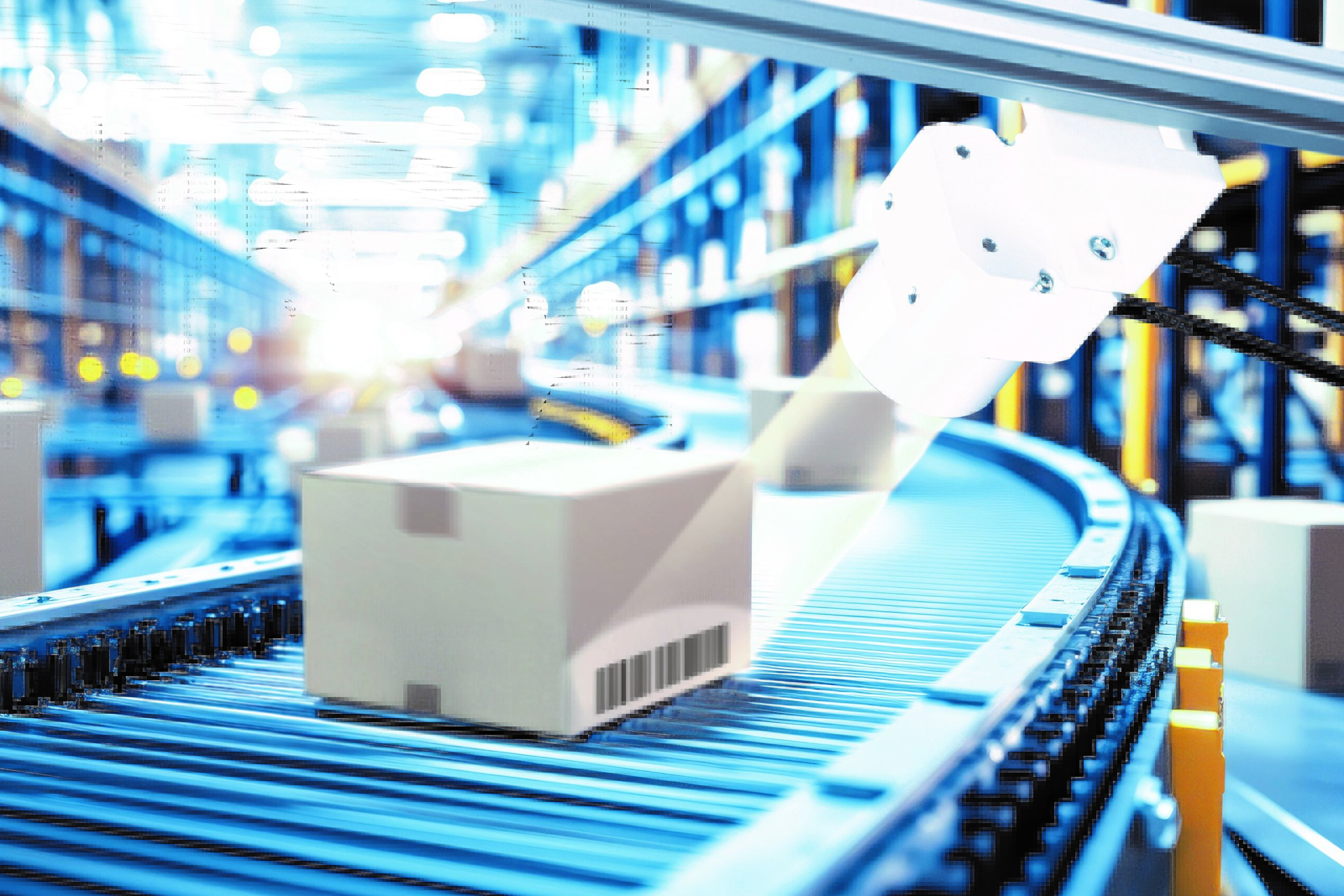
Highspeed cameras are used wherever fast movements need to be captured with high precision: anomaly detection, motion analysis, or continuous production monitoring. Whether deployed as a fast camera for dynamic verification tasks or an ultra high speed camera setup for complex high-speed sequences, IMAGO systems ensure reliable detection of even minimal deviations.
Applications extend across printing, packaging, and electronics manufacturing, where extremely small variations must be identified early to avoid costly defects.
Why Choose Highspeed Cameras from IMAGO?
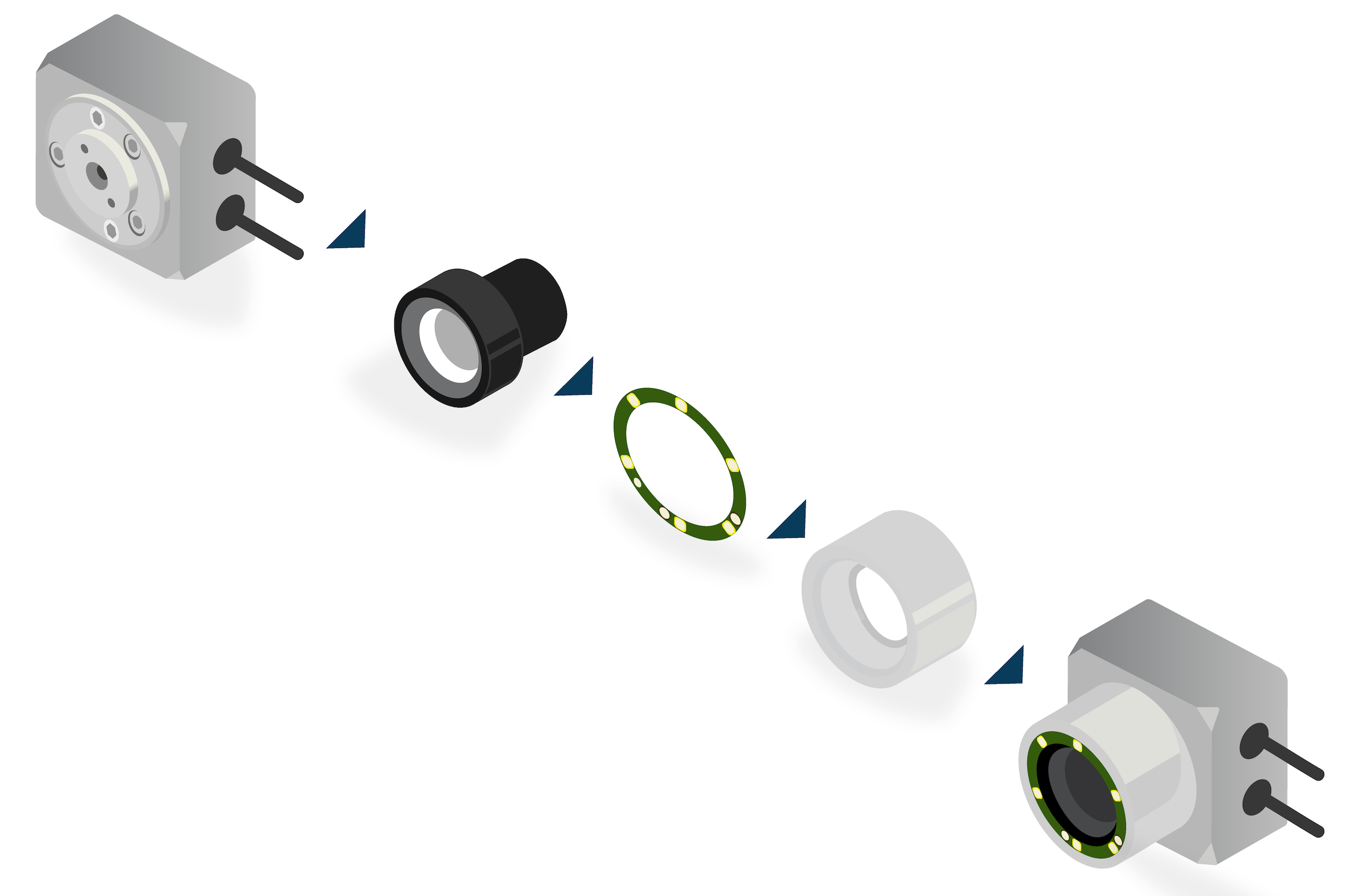
With IMAGO, you choose a system engineered specifically for industrial use: robust hardware, stable long-term operation, and flexible adaptation to your application.
The combination of highspeed capability, real-time processing, AI functionality, and easy integration makes IMAGO a trusted partner for demanding machine vision tasks.
FAQs About Highspeed Cameras
What is the difference between a line-scan and an area-scan camera?
A line-scan camera captures images line by line and is ideal for continuously moving objects, such as on conveyor systems. An area-scan camera captures entire frames and is used when a full image of the object is required in a single exposure.
What is the difference between FPS and line rate?
Frames per second (FPS) indicate how many full images are captured per second, while line rate (in kHz) defines how many image lines per second are acquired. Both values determine how fast an object may move while still being captured with good image quality.
How does resolution affect the maximum FPS of a highspeed camera?
Higher resolution requires more data per frame, reducing the maximum achievable FPS. IMAGO highspeed cameras allow flexible balancing — such as by reducing the Region of Interest — to achieve either full resolution at lower FPS or maximum speed at reduced resolution.
Do highspeed cameras require a fast data connection?
No. A standard 1-Gbit interface is sufficient with IMAGO, as data is processed directly inside the camera. This greatly reduces bandwidth requirements and simplifies integration.
How light-sensitive are highspeed cameras?
Highspeed cameras generally require strong illumination, since short exposure times capture less light. IMAGO systems are equipped with optimized sensors to ensure reliable results even at high frame rates and high resolutions.