


Ensure product quality, patient safety, and regulatory compliance by reliably inspecting blisters, vials, packaging, labels, and codes at full production speed. Freely programmable or available as a turnkey solution.
Machine Vision for the Pharmaceutical Industry

Typical Challenges in the Pharmaceutical Industry
01
Compliance and Regulatory Requirements
Strict regulations require reliable inspection of products, packaging, and labeling.
02
Traceability and Serialization
Serial numbers, batch codes, expiration dates, and Data Matrix codes must be read and verified without gaps.
03
High Precision and 100% Inspection
Small products such as vials, ampoules, and blisters require reliable defect detection on every single item.
04
Product Variants and Changeovers
Different packaging formats, languages, and product variants require flexible inspection systems.
Our Approaches
Two Paths to the Right Vision Solution
Depending on your integration requirements and project timeline, IMAGO offers two distinct approaches to food inspection.
Open Plattform
Flexible Vision Platform
For OEMs (pharmaceutical and packaging machine builders) and food manufacturers who require full control over logic, integration, and scalability.
- Freely programmable with the IMAGO ViewIT software framework, C++, Python, and HALCON – no black box, full control
- Multiple inspection tasks on a single device – for example reading expiration dates and inspecting seal integrity
- Portable across all IMAGO devices, with OPC UA and REST connectivity for Industry 4.0 integration
- Long-term availability, including ODM (Original Design Manufacturer) variants for serial machine production
Ready to use
Preconfigured Solution
For users with a specific inspection challenge who need fast and reliable results without extensive in-house development.
- Deep-learning inspection of visually variable food products without programming using a web-based GUI
- Fast deployment with minimal lead time and a clear focus on rapid time-to-market
- Reliably detects anomalies and natural product variations in shape, color, and surface appearance
- Consulting and support from the experienced IMAGO engineering team – robust hardware made in Germany
Decision Guide
What Is Your Goal?
Choose the approach that best fits your project – both lead to a reliable inspection solution.

Maximum Flexibility
You develop your own inspection solutions or integrate machine vision deeply into your pharmaceutical or packaging machinery.

Fast Implementation
You have a specific inspection task – such as label verification or foreign object detection – and need a ready-to-use system quickly.
Differentiation
Why IMAGO for the Pharmaceutical Industry?
Hardware, software, and system integration work together to ensure stable processes in pharmaceutical production.

Open Software Framework
Freely programmable instead of a black box – full control over every inspection task on the line.

Multiple Tasks, One System
OCR, code reading, quality control, and AI inspection run on the same hardware instead of multiple systems.

Long-Term Availability
ODM variants and long product life cycles for serial machines and global rollouts.

Future-Proof Architecture
Scalable platform without vendor lock-in that grows with your requirements.

High-Speed-Vision
Hundreds of products per minute with processing power directly in the camera or box PC.
Applications
Typical Applications in the Pharmaceutical Industry
IMAGO vision systems are used in these four application areas within the pharmaceutical industry. This is only a small selection of what machine vision enables today.

Serialization, OCR, and Code Reading
Serial numbers, batch codes, expiration dates, and Data Matrix codes are reliably read using optical character recognition (OCR) and verified for complete traceability.

Blister, Vial, and Ampoule Inspection
Blisters, ampoules, vials, and syringes are reliably inspected for completeness, damage, and quality defects, ensuring that faulty products are safely rejected.

Packaging and Label Inspection
Labels, package printing, and package inserts are continuously monitored to immediately detect labeling errors and packaging mix-ups.

Fill Level and Closure Inspection
Fill levels, stoppers, crimp caps, and closures are inspected with high precision to ensure product safety, quality, and compliance with regulatory requirements.
Technology for Demanding Pharmaceutical Production Lines
A powerful machine vision system for the pharmaceutical industry must combine maximum inspection accuracy with regulatory reliability. Seamless verification of serial numbers, batch codes, expiration dates, and Data Matrix codes requires dependable OCR, code reading, and serialization technology.
IMAGO provides the required processing power either directly in the camera or externally in a vision box PC, featuring integrated real-time communication for connectivity to machine controls, track-and-trace systems, and manufacturing IT via OPC UA and REST API.
Packaging inspection, label verification, OCR, code reading, and serialization run simultaneously within a single system. This enables manufacturers to meet compliance requirements reliably while reducing integration effort and system complexity.
The open and long-term available platform allows new products, regulatory requirements, and additional inspection tasks to be implemented across multiple machine generations.
Product recommendations
Recommended Solutions for the Pharmaceutical Industry
The following systems are designed to meet the requirements of pharmaceutical manufacturing. They combine high inspection accuracy, reliable traceability, and flexible image analysis. Depending on the application, they can be freely programmed or deployed immediately.
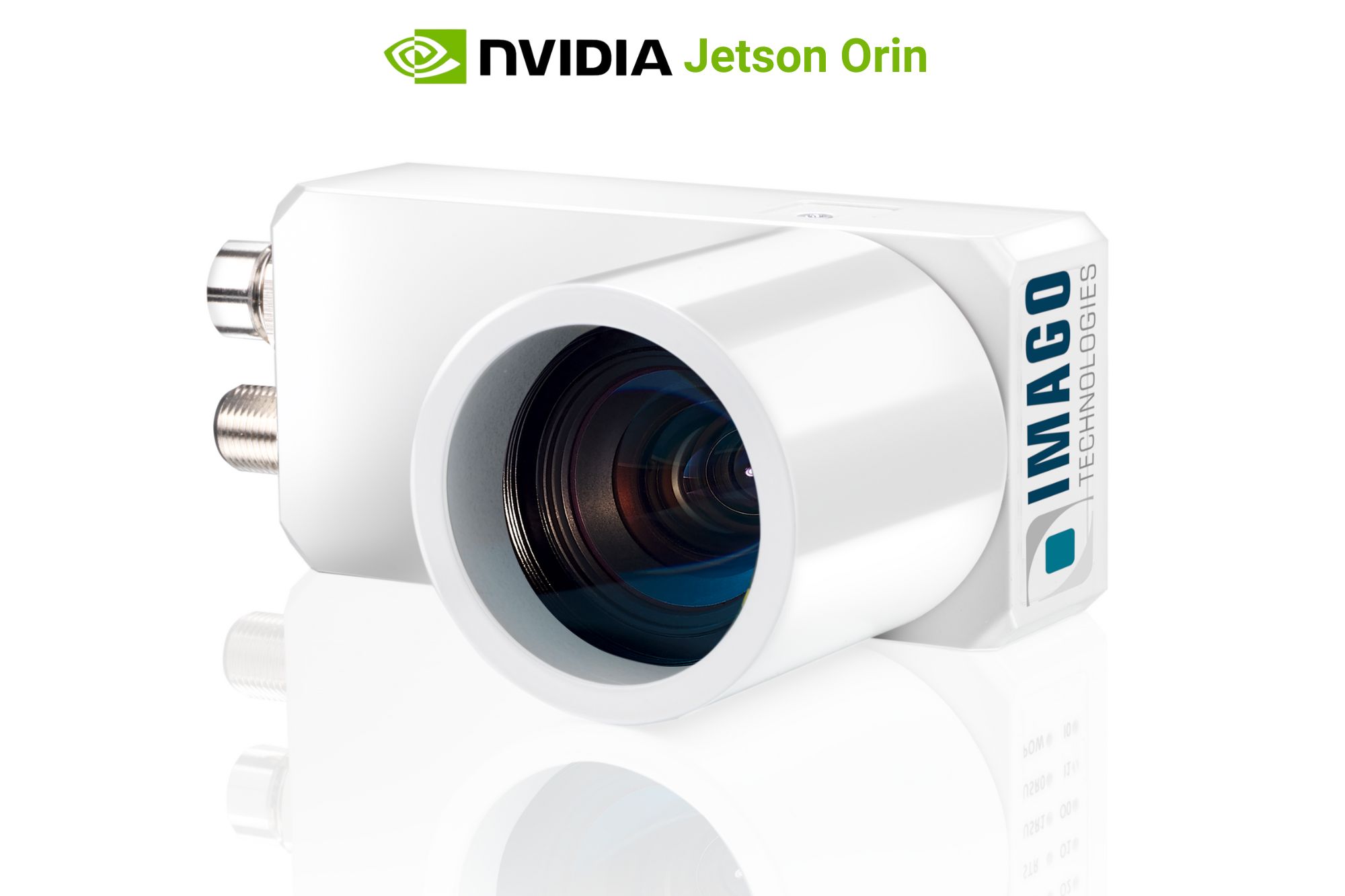
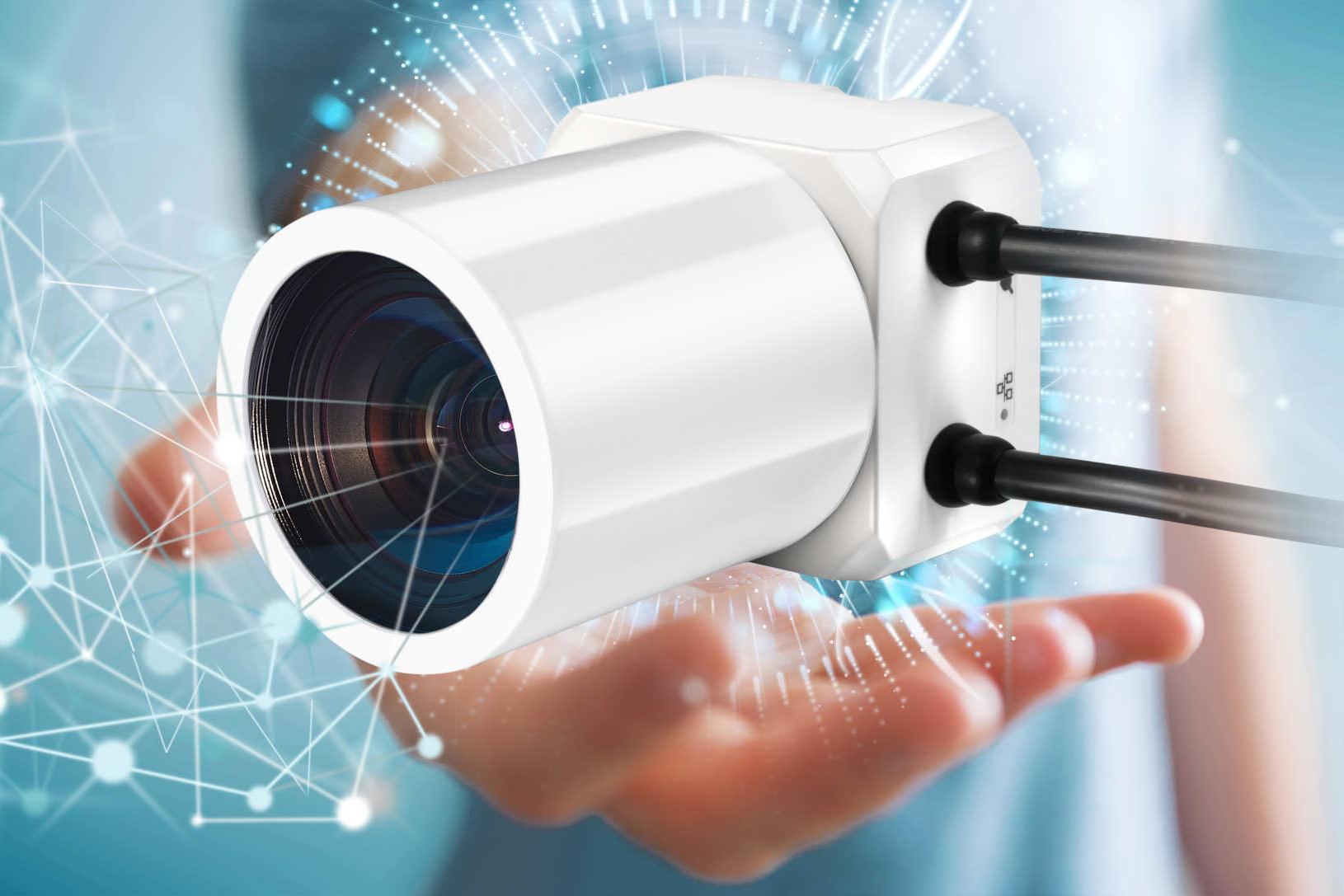
Maximum Processing Performance
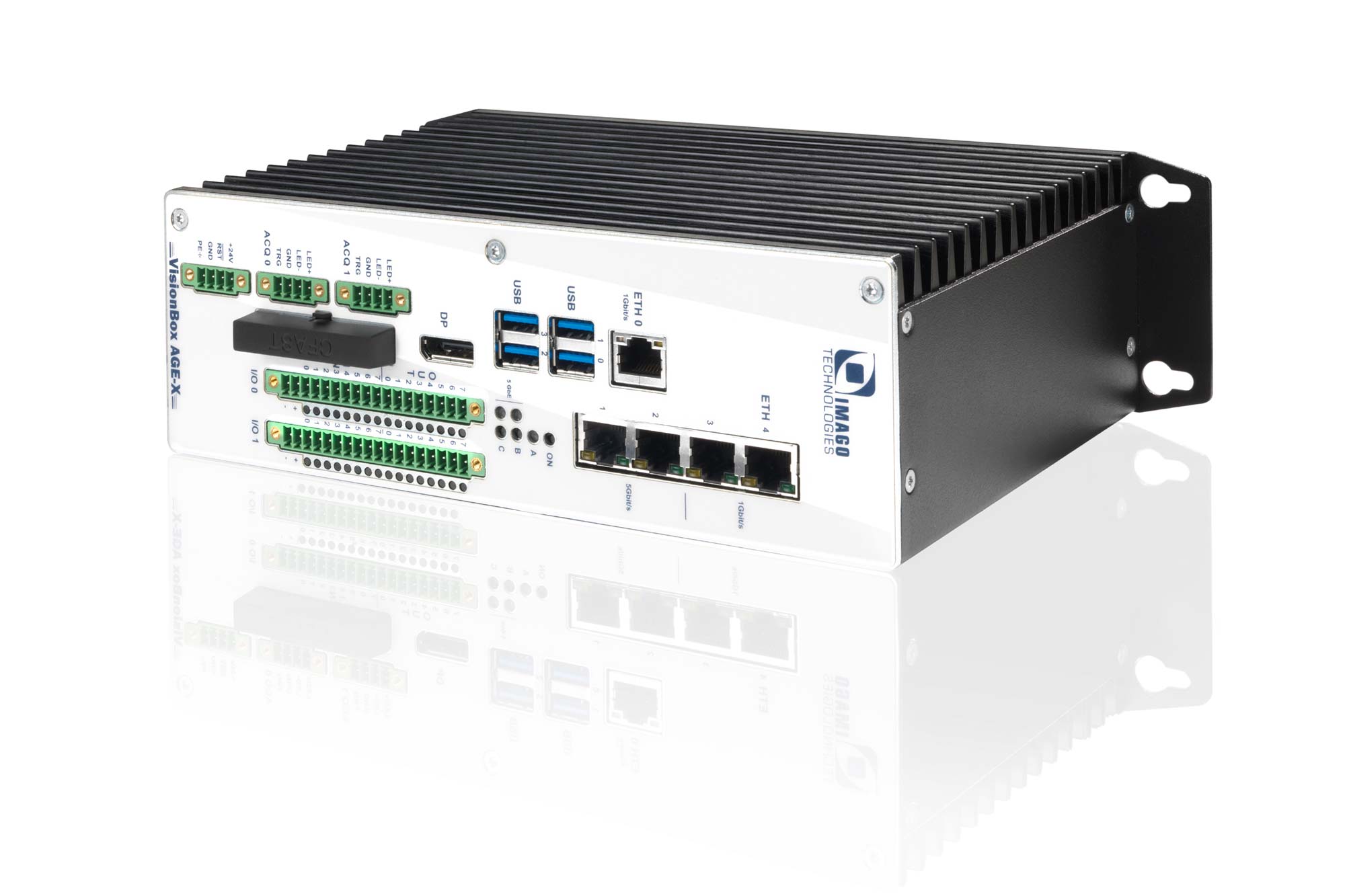
Vision Box AGE-X5
Powerful vision box PC for demanding machine vision and AI applications, reliably processing multiple cameras, large data volumes, and complex inspection tasks such as serialization, packaging inspection, and track-and-trace applications in real time.
Discover Vision Box AGE-X6 →
Inspect serialization, packaging, labels, and codes reliably at full line speed.
Frequently Asked Questions
How reliably does the system detect defects and labeling errors?
A machine vision system inspects every product at 100% and detects defects independently of shift, time of day, or operator. It verifies labels, codes, packaging, and product characteristics consistently while documenting every decision. This enables early detection of labeling errors, mix-ups, and quality deviations, helping to reduce waste and prevent recalls.
How does the solution support GMP, audit, and documentation requirements?
Modern vision systems automatically document inspection results in a transparent and traceable manner. Images, measurement results, and process data can be stored and made available for audits and quality documentation. This simplifies compliance with GMP requirements and provides transparency throughout the entire production process.
Is the platform validatable and scalable for future requirements?
Industrial vision platforms can be integrated into existing validation processes and support reproducible inspection procedures as well as documented software versions. At the same time, open architectures enable the integration of additional cameras, inspection tasks, and AI models. This ensures long-term usability, even when regulatory requirements change or new product generations are introduced.