


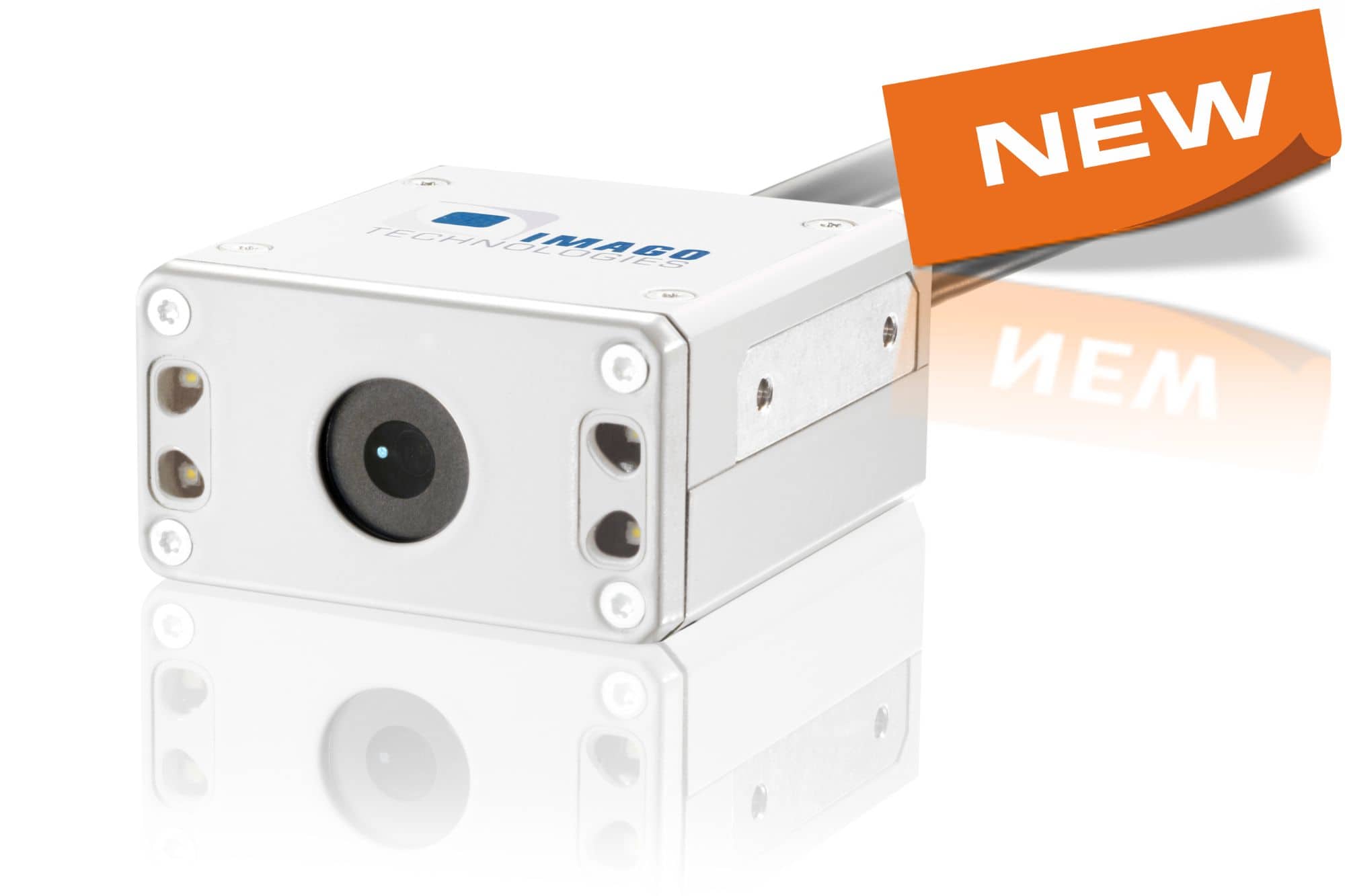
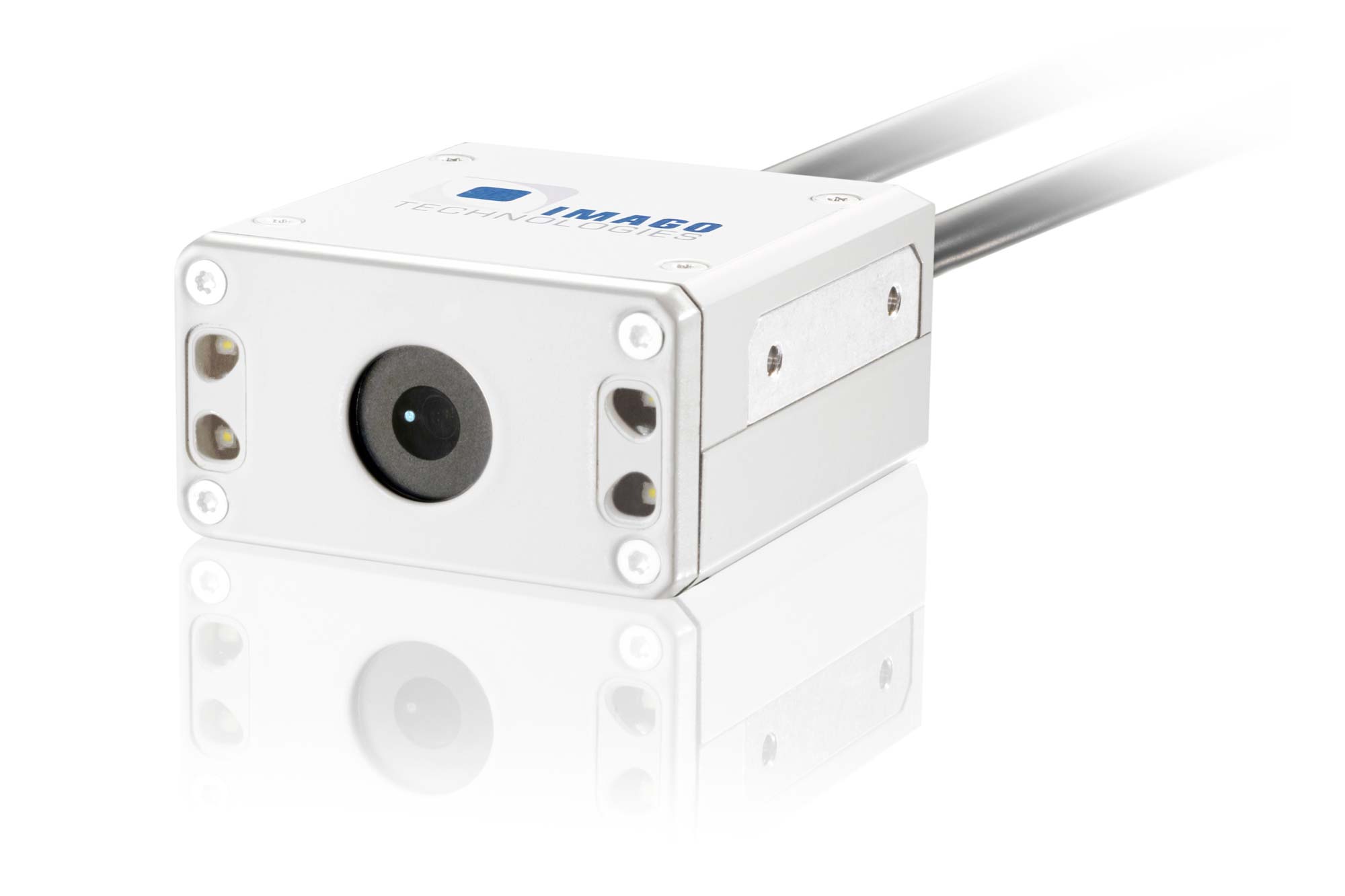
Matchbox Model


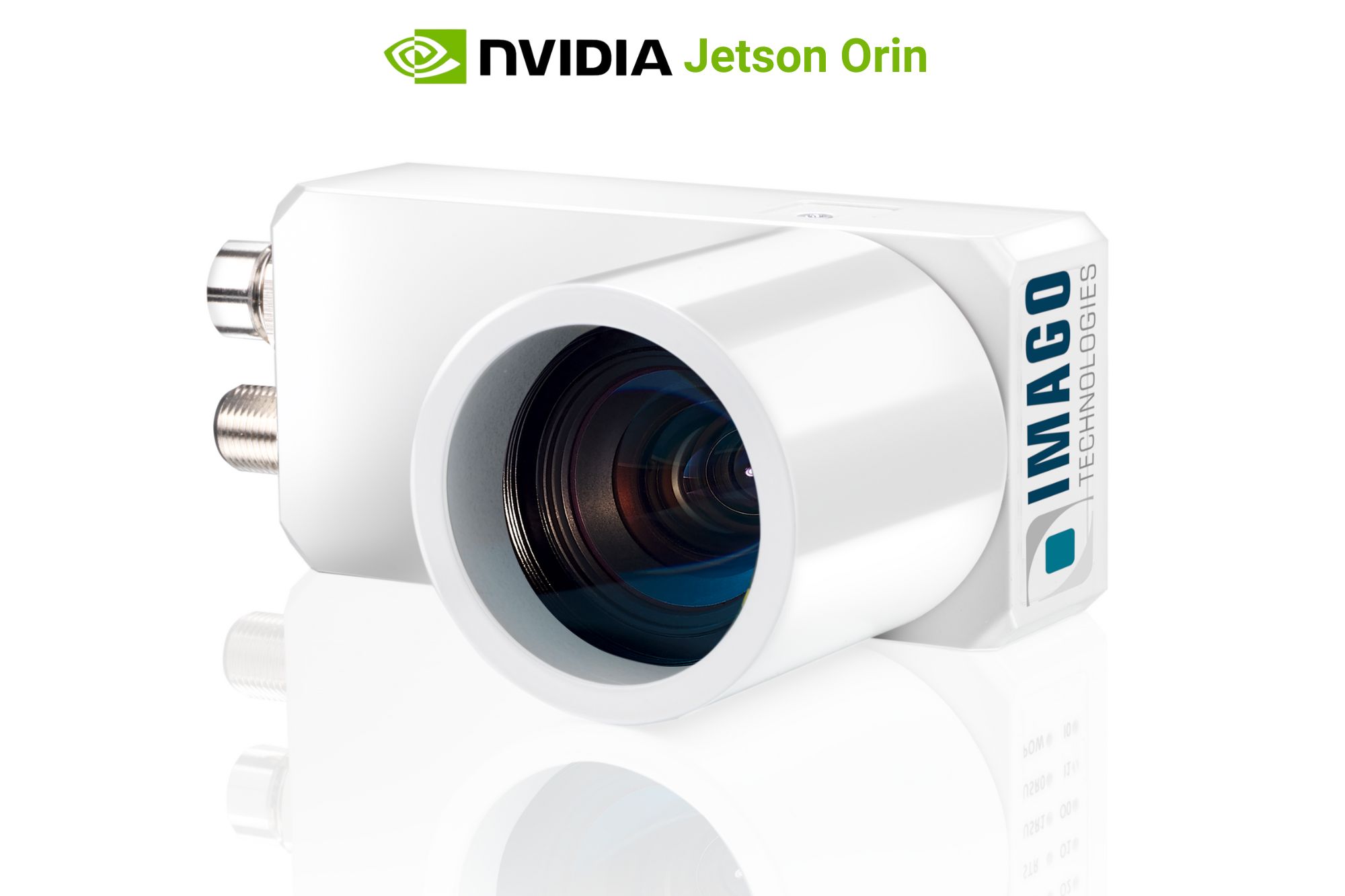
Cubic Model
AI Vision Sensor
Vision Sensor PV4
The Vision Sensor PV4 combines a compact design, full programmability, integrated AI capabilities, and a modular architecture in a powerful AI vision sensor. It bridges the gap between simple vision sensors and complex high-end AI systems, giving users maximum freedom when dealing with changing requirements, new product variants, or additional inspection steps.
Description
The Vision Sensor PV4 is an ultra-compact, freely programmable AI vision sensor equipped with a hexa-core Arm® Cortex-A55 CPU and an integrated neural processing unit (NPU) delivering 2 TOPS of performance. It processes both classical image processing algorithms and AI models entirely on-device—without additional hardware and without proprietary software environments.
Its modular sensor design allows flexible adaptation to different optical requirements, making the PV4 ideal for dynamic production environments.
The Vision Sensor PV4 is available in two mechanical variants: Cubic (50 × 50 × 40.8 mm, 205 g) and Matchbox (45 × 53.7 × 25.5 mm, 125 g), enabling optimal integration even in extremely confined installation spaces. Thanks to its compact architecture, it is particularly well suited for retrofitting existing machines or applications where classic vision sensors reach their flexibility limits.
It offers high computing performance, modular sensor technology, integrated lighting options, and full software freedom—ideal conditions for series applications that go beyond the capabilities of simple vision sensors but do not require the size and complexity of an AI industrial PC.
Advantages
Ultra-compact & easy to integrate
With its two housing variants and very small dimensions, the Vision Sensor PV4 can be easily integrated into existing machines. The compact design minimizes integration effort, especially for retrofit projects or densely packed production lines.
Freely programmable like a Linux industrial PC
The Vision Sensor PV4 is based on a Linux system that is fully programmable. Users can deploy their own scripts—for example in Python or C++—and integrate AI models. The open software architecture avoids rigid function packages and enables fast adaptation to format or product changes.
On-device AI with integrated NPU
An integrated NPU with 2 TOPS enables AI inference directly on the device, without external computing units. AI models can be executed locally and combined with classical image processing. This reduces system complexity and enables high-performance AI evaluation directly at the point where data is generated.
Modular sensor design
The modular sensor head allows selection of different sensor variants—for example 2064 × 1552 px or 2472 × 2064 px, in color or mono. Sensor variants can be easily adapted to new tasks without having to completely redevelop the application.
Integrated lighting & autofocus option
The Matchbox variant features four integrated high-intensity LEDs synchronized precisely with exposure. Optionally, a liquid lens with autofocus can be used to automatically compensate for rapid distance changes—ideal for applications with variable object sizes.
Fast integration into existing systems
With 2.5 Gbit/s Ethernet, opto-isolated I/Os (2× In / 4× Out), trigger interfaces, and optional modules such as the UIM (Universal Illumination Module) and I/O Expansion Box, the PV4 offers flexible connectivity. The clear interface structure simplifies integration into almost any machine environment.
Efficient parameterization & fast onboarding
ViewIT enables intuitive setup of applications—from classic image processing tasks such as blob analysis, OCR, and code reading to combinations with AI functions. HALCON can be added optionally, allowing experienced users to immediately benefit from a comprehensive function library.
Applications
Thanks to its combination of modular sensor technology, AI capability, and compact design, the Vision Sensor PV4 is suitable for a wide range of industrial tasks. It meets the requirements of environments where objects, packaging, or labels change frequently—scenarios in which classic vision sensors often reach their limits.
Target Group
The Vision Sensor PV4 is aimed at machine builders, OEMs, and system integrators who require a powerful, compact, and freely programmable AI vision sensor. It is particularly suitable for companies that need more flexibility than a classic vision sensor, but do not want the complexity of an AI industrial PC.
The PV4 gives machine vision professionals the freedom to integrate their own algorithms and AI models, while also supporting users with less in-depth image processing expertise through preconfigured tools such as ViewIT. OEMs who want to run their software directly on a camera benefit from the open architecture.
Product Consultation & Quote Request
Would you like to check whether the Vision Sensor PV4 is the ideal solution for your application? Our team will be happy to support you with product selection, integration, and application development. Send us your inquiry—we will advise you personally and create an individual offer.
FAQs about the AI Vision Sensor
What differentiates the Vision Sensor PV4 from classic vision sensors?
The PV4 offers a fully programmable, AI-enabled platform that significantly exceeds classic vision sensors in terms of flexibility and performance. It is ideal for applications that require frequent format changes or additional inspection steps.
Which AI models can the Vision Sensor PV4 run?
The integrated NPU with 2 TOPS supports AI inference directly on the device. Models can be integrated and adapted via the Linux system—for example for classification, segmentation, or OCR.
Which variants of the Vision Sensor PV4 are available?
Two housing types (Cubic & Matchbox) and several sensor variants are available. The selection depends on installation space, lighting conditions, and resolution, allowing optimal adaptation to the application.
Does the Vision Sensor PV4 require additional hardware for AI functions?
No. All classical and AI-based image processing tasks run entirely on the device, supported by the ARM CPU and integrated NPU.
How is software developed on the Vision Sensor PV4?
Users can program freely (e.g. in C++ or Python) or work with ViewIT and optional HALCON. The open Linux architecture allows integration of custom scripts, models, and libraries.