


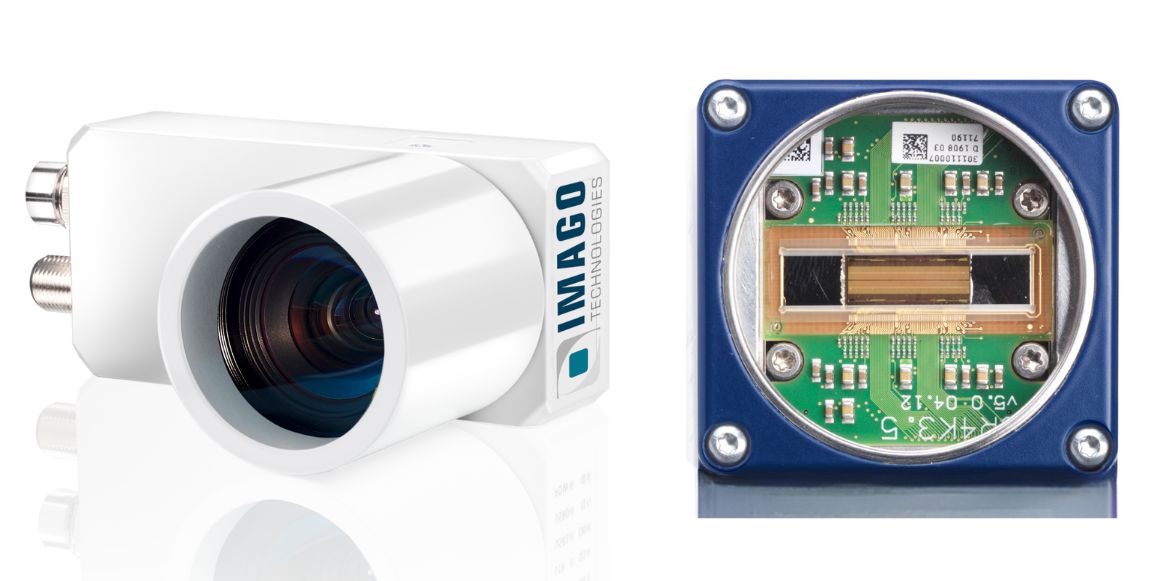


An image sensor is the foundation of every industrial camera. It captures the image data required for automated inspection, measurement, and identification tasks. As manufacturing demands continue to increase in terms of speed, precision, and process reliability, high-performance image sensors are becoming increasingly important. This guide explains how different image sensor technologies work and highlights the key factors to consider when selecting an image sensor for industrial machine vision applications.
Quick Overview
- Foundation: Image sensors capture visual data and form the basis of modern industrial machine vision systems.
- Image Sensor Performance: Image sensors differ in terms of resolution, frame rate, light sensitivity, and the resulting image quality.
- Sensor Types: Different image sensor technologies are available to meet specific application requirements regarding speed, precision, and environmental conditions.
- Benefits: The right image sensor technology improves image quality, process reliability, and measurement accuracy while supporting reliable quality inspection and meeting the application’s cost requirements.
What is an Image Sensor?
An image sensor is the light-sensitive component of a camera that converts incoming light into digital image data. It forms the core of every industrial machine vision system and provides the information required for inspection, measurement, and identification tasks. Accurate image acquisition and reliable, repeatable performance under demanding production conditions are essential for achieving consistent inspection results.
Image sensors differ in terms of sensor technology, resolution, frame rate, and light sensitivity. Together with optics, lighting, and machine vision software, they form an integrated system that captures, analyzes, and processes visual information for automated industrial applications.
Discover Our Camera Systems
Learn which industrial cameras and image sensor technologies best fit your application. Explore IMAGO Technologies’ high-performance camera solutions.
How an Image Sensor Converts Light into Digital Information
Image sensors convert incoming light into digital image data using millions of light-sensitive pixels. Each pixel measures the brightness of a small area of the scene and generates an electrical signal. These signals are combined to create a digital image, which is then analyzed by machine vision software for inspection, measurement, or identification tasks.
Image quality depends on several sensor characteristics, including resolution, pixel size, light sensitivity, and dynamic range. In industrial machine vision, high-performance image sensors enable accurate and repeatable image acquisition, even at high production speeds or under challenging lighting conditions. This provides a reliable foundation for precise measurements and stable automated processes.
The Role of an Image Sensor in Industrial Machine Vision
The image sensor provides the visual data on which industrial machine vision systems rely. It enables reliable detection of products and components, allowing them to be automatically inspected, measured, or identified. This makes it possible to perform highly accurate and repeatable quality inspections, even in high-speed production environments.
A typical application is the automated inspection of manufactured parts, where surface defects, dimensional deviations, or missing components are detected reliably. Image sensors are also used to identify barcodes and Data Matrix codes and to determine the precise position of workpieces, enabling downstream processes such as robotics and automated assembly.
What Types of Image Sensors Are Available?
Image sensors are used in a wide range of industrial machine vision applications. Depending on the inspection task, the requirements for image quality, speed, and precision vary. Different sensor types offer specific characteristics to meet these requirements and enable reliable image acquisition – from quality inspection and robotics to high-speed inspection.
Area Scan Sensors and Line Scan Sensors
Area scan sensors and line scan sensors differ in the way they capture images. Area scan sensors capture a complete image in a single exposure and are suitable for most inspection and identification tasks in industrial machine vision.


Line scan sensors, on the other hand, capture only a single pixel line at a time and generate the complete image through the movement of either the inspected object or the camera. This method is primarily used in continuous production processes, such as the inspection of web materials, films, or printed products, where very high resolutions and line speeds are required.
Event-Based Vision
In event-based vision, sensors capture only changes in brightness at individual pixels instead of recording complete images. This enables extremely fast response times while significantly reducing the amount of data generated during high-speed motion.
Global Shutter and Rolling Shutter
Global shutter and rolling shutter sensors differ in the way the sensor is exposed. With a global shutter, all pixels are exposed simultaneously, allowing even fast-moving objects to be captured without distortion. Rolling shutter sensors, in contrast, expose the pixels line by line, which can lead to motion artifacts when objects move at high speed.


Which technology is the better choice depends on the application. While cost-effective rolling shutter sensors are often sufficient for static or slowly moving scenes, global shutter sensors offer significant advantages in image quality and measurement accuracy for robotics, motion control, and high-speed inspection applications.
Image Sensors as the Foundation of Modern Industrial Cameras
Image sensors are the foundation of modern industrial cameras. Their characteristics have a significant impact on image quality and determine the overall performance of a machine vision system. Selecting the right image sensor always depends on the requirements of the specific application.
Resolution, Pixel Size, and Dynamic Range
Resolution, pixel size, and dynamic range are among the most important characteristics of modern image sensors. Resolution determines how much image information can be captured, while pixel size influences light sensitivity and image noise. A high dynamic range also enables both bright and dark areas of an image to be captured with a high level of detail.


The optimal resolution depends on the application. While medium resolutions are sufficient for many inspection tasks, applications involving very small features or demanding quality requirements benefit from high-resolution image sensors. In the beverage industry, for example, modern camera systems enable the reliable inspection of fast-moving cans and bottles at high production speeds. High-resolution image sensors ensure that even the smallest defects or deviations can be detected reliably.
Frame Rate and Exposure Time
Frame rate and exposure time determine how reliably moving objects can be captured. A high frame rate allows images to be acquired in rapid succession and is particularly important in factory automation. Exposure time, on the other hand, defines how long light reaches the image sensor and therefore has a direct impact on image sharpness.
Under low-light conditions, a longer exposure time is required to allow sufficient light to reach the sensor. However, this requires a compromise between image brightness and motion blur.


An optimized combination of frame rate, exposure time, and lighting ensures that even fast-moving products can be captured accurately. This enables reliable measurements and quality inspections, even at high production speeds.
Color and Monochrome Sensors
Color and monochrome sensors are designed for different tasks in industrial machine vision. Color sensors capture both brightness and color information and are used whenever colors, markings, or labels need to be inspected. Monochrome sensors, by contrast, produce grayscale images with a high level of detail and are particularly well suited for measurement and inspection applications.
The choice between a color and a monochrome sensor depends on the requirements of the application. While color information is essential in some processes, monochrome sensors often provide advantages in terms of light sensitivity, contrast, and measurement accuracy.
Selecting the Right Image Sensor
Choosing the right image sensor has a significant impact on the performance of a machine vision system. Different applications place different demands on resolution, frame rate, light sensitivity, and dynamic range. Reliable and repeatable results can only be achieved when these characteristics are matched to the specific inspection task.
Define the Application Requirements
Before selecting an image sensor, the application requirements should be carefully defined. In addition to the size and speed of the inspection object, environmental conditions, the required measurement accuracy, and the available lighting also play an important role. An application-specific sensor selection ensures that the required image quality can be achieved.
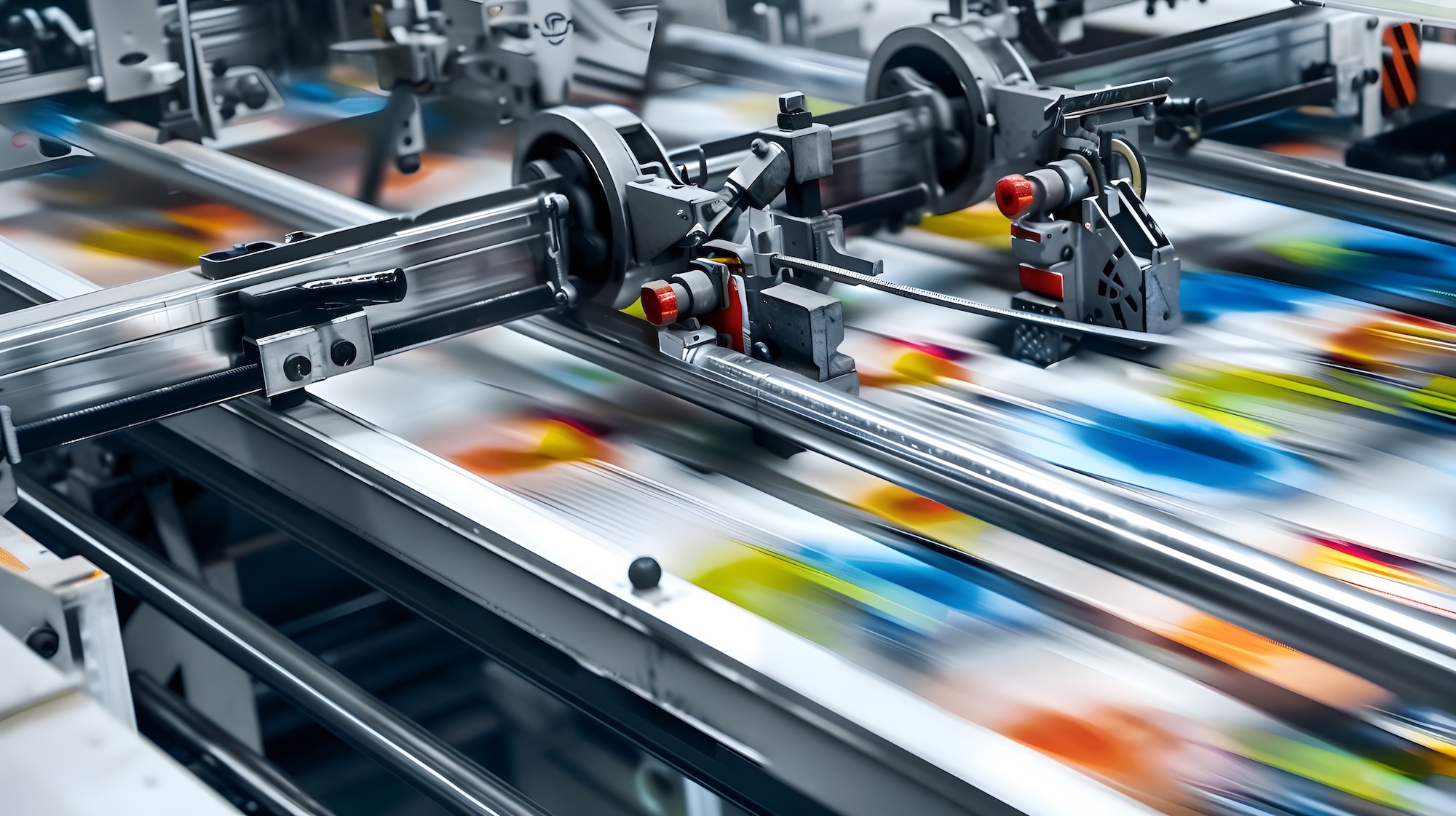
Highly precise measurement tasks often require high-resolution image sensors, while high-speed production lines place greater emphasis on short exposure times and high frame rates. In the pharmaceutical industry, for example, codes, labels, and glass containers must be inspected reliably, making high-resolution image sensors essential for capturing even the smallest details. In the recycling industry, on the other hand, different materials must be identified and sorted reliably despite varying surface textures and contamination. The requirements for the image sensor are therefore always determined by the combination of the object, the production process, and the inspection objective.
Consider the Sensor, Optics, and Lighting as a Complete System
An image sensor can only deliver its full performance when the optics and lighting are also matched to the application. Since all components of a machine vision system influence one another, they should always be considered as part of an integrated system.
For example, a high-resolution camera can only achieve its full potential when paired with suitable optics. Likewise, uniform illumination and the right lens help minimize imaging errors and ensure reliable inspection results.
Smart Camera
A smart camera combines an image sensor, processor, and machine vision software in a single device. Images are processed directly inside the camera, making smart cameras particularly well suited for compact applications that do not require an external industrial PC.
Why Choosing the Right Image Sensor Matters
Choosing the right image sensor has a direct impact on the quality and reliability of industrial machine vision. Only when sensor characteristics such as resolution, frame rate, and light sensitivity match the application can objects be captured accurately and inspection tasks performed reliably. A properly selected image sensor therefore forms the foundation of high-performance and future-proof machine vision systems.
Precise Image Quality |
The right image sensor provides the required resolution, dynamic range, and light sensitivity to capture high-quality image data. This enables even the smallest features and defects to be detected reliably, even under demanding environmental conditions. |
Reliable Processes |
Image sensor technology tailored to the application ensures consistent and repeatable results. Variations in image quality are minimized, helping to reduce false classifications, scrap, and unplanned production downtime. |
Increased Cost Efficiency |
Selecting the right image sensor helps optimize resources and design an efficient inspection process. High-performance image sensors enable high inspection speeds while maintaining reliable defect detection, improving the overall efficiency of the production process. |
Flexible Application Options |
Modern image sensors are available in a wide range of configurations for different applications. This allows them to be adapted to specific requirements, from highly precise measurement tasks to high-speed quality inspection in automated production lines. |
Future-Proof Investment |
A future-ready image sensor provides sufficient performance reserves for new applications and increasing quality requirements. Combined with modern camera technology and standardized interfaces, machine vision systems can be expanded flexibly and operated economically over the long term. |
FAQs on Image Sensors
What is an image sensor?
An image sensor is the core component of an industrial camera. It converts incoming light into digital image data. Characteristics such as resolution, frame rate, and light sensitivity have a significant impact on image quality and therefore on the overall performance of a machine vision system.
What types of image sensors are available?
CMOS image sensors are the most widely used technology in industrial machine vision today. Depending on the application, they differ in characteristics such as resolution, pixel size, frame rate, dynamic range, and whether they are available as color or monochrome sensors. The right choice always depends on the requirements of the specific inspection task.
When should a color or monochrome sensor be used?
Color sensors are used when colors, labels, or markings need to be detected reliably. Monochrome sensors, on the other hand, produce high-contrast grayscale images and are particularly suitable for measurement tasks and applications that require high light sensitivity and fine detail.
What resolution should an image sensor have?
The required resolution depends on the application. High-resolution image sensors are ideal for detecting very small details or performing precise measurement tasks. In high-speed production processes, however, the optimal solution is often a balanced combination of resolution, frame rate, and light sensitivity.
Similar Articles

Material Flow Analysis with AI and omlox
Read More
Embedded Vision
Read More
Image Sensor: How It Works, Sensor Types, and Its Role in Industrial Machine Vision
Read More
Physical AI in Industrial Machine Vision
Read More
Machine Vision Lighting
Read More
GPU Expansion in Industrial Image Processing
Read More
Automated Logistics
Read More
New Software Functionalities for the Industrial Dashcam
Read More